

Rasheed Malik Hightower loved hockey, snowball fights and just about anything else that allowed him to play outside in the winter. There was only one problem: He was allergic to the cold.
Snow and ice made him turn red and break out in hives. His family nicknamed him “Snowman,” but even the discomfort could not keep him indoors. When snow covered Brewerytown, he went from door to door offering to shovel people’s driveways and dig out their cars.
“He would still go around and knock on doors when people were snowed in and dig the snow,” said his mother, Nadine. “He was well loved in the neighborhood.”
That was her son, who grew up going by Malik. If something stood in his way, he found a way around it.
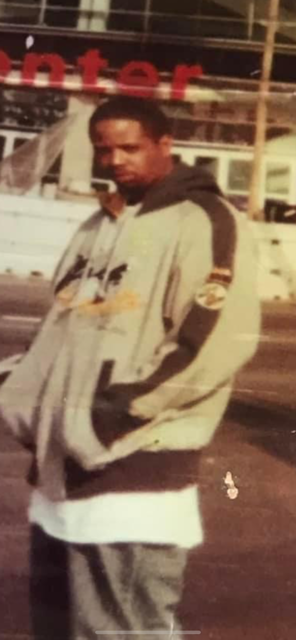
A birth injury left him with a stiff right leg and a noticeable limp. He also had a pretty bad stutter. Other children sometimes teased him, but Malik refused to let either condition define him. He remained active, confident and outgoing, playing hockey and charming people wherever he went.
The girls, his mother remembered, especially loved him.
“Mommy, I get all the pretty girls,” he liked to tell her.
Malik grew up near 29th Street and Girard Avenue in a lively house filled with siblings, stepchildren, grandchildren and cousins. When school let out, even more children arrived. They played and laughed together, becoming a big tight-knit family.
He attended St. Elizabeth School and graduated from University City High School. He later worked in maintenance at a University of Pennsylvania hospital, where he spent four years and was beloved by his co-workers.
He was killed on March 19, 2005. He was 25.
Nadine remembered him as happy, considerate and generous. He was the sort of person who would give someone the shirt off his back. He was also remarkably driven. He bought his first car at 16 and his own duplex on the 4500 block of Yuba Street at 19.
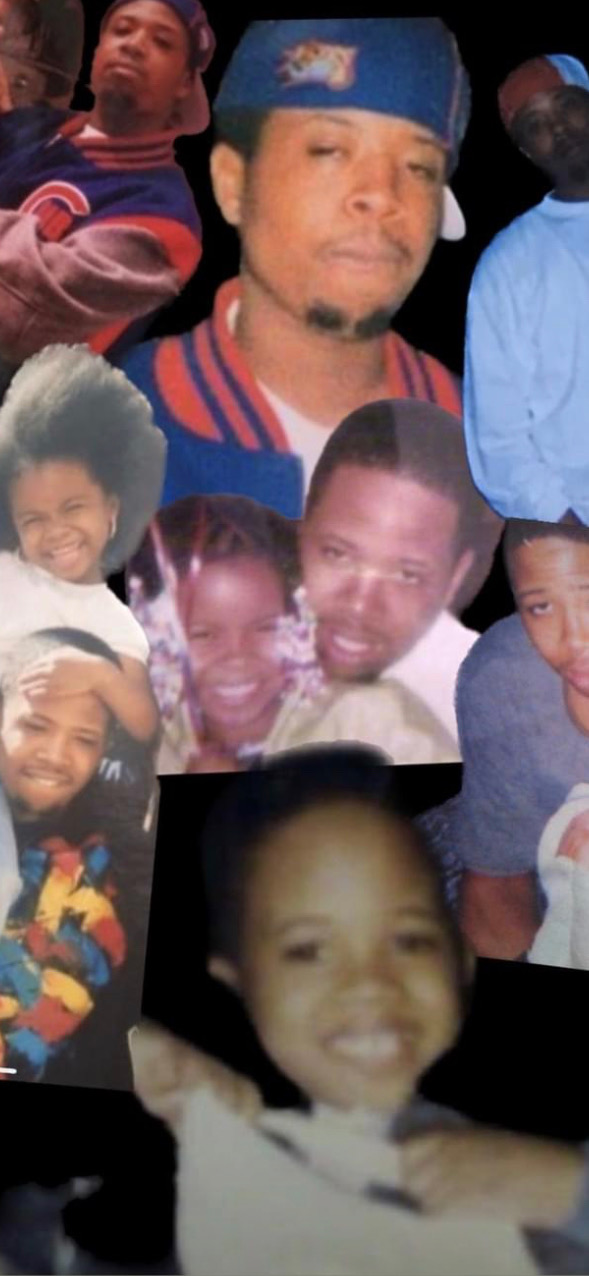
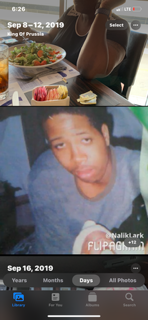
He had become a father at 16 and devoted himself to his daughter, Nalik. Malik had custody of her and worked hard to provide for her. In the days before his death, he had arranged everything for her upcoming birthday party. Although he was killed five days before her birthday, the family went ahead with the celebration he had planned.
His speech impediment followed him into adulthood, but music gave him a place where the stutter disappeared. When Malik rapped, the words came smoothly. He wrote his own lyrics and recorded CDs with a neighborhood group called the Doughboys, selling copies for $20 and putting the money away.
“He was so driven with music because music was his way out of everything,” Nadine said. “He felt that music kept him away from stuttering, and it helped him with his speech.”
Malik was an avid saver, although he liked to joke about it. Whenever he came around friends or relatives, he tried to ask them for money before they could ask him.
“Let me hold something,” he would say.
If someone beat him to it, Malik claimed he had only his debit card and perhaps $20 in his pocket. In reality, he was careful with his money and rarely spent more than necessary. Even his tax refund was untouched when he died.
Malik also had a gift for bringing people together. He tracked down distant relatives his mother had not seen since childhood and brought them home to meet the family. Before he died, he had paid for an upcoming family reunion and ordered his T-shirt. Relatives later placed his image on the reunion shirts so he could still be part of it.
His sense of responsibility appeared early. Once, while playing at a friend’s house, Malik broke a clock. Frightened but determined to make it right, he went to his mother.
“I have to save up for it,” he told her. “Can you loan me the money? I promise I’ll give it back.”
Another time, he accidentally broke an older neighbor’s car antenna. Malik came running down the street in tears, already insisting that he needed to pay for it. Nadine paid the $60 the neighbor requested because her son had admitted what he did. Those lessons stuck, as Malik grew into a dependable young man with particular respect for older people.
When Nadine’s grandfather could no longer walk, Malik lifted him from his wheelchair and carried him upstairs. Her grandfather asked to be put down so he could rest, even though Malik was the one doing all the work.
A Muslim, Malik was active in his religious community. Family, faith and friendship mattered deeply to him, and the friendships he formed lasted. Years after his death, childhood friends continue to call Nadine on his birthday and post remembrances of him online.
“He was one of a kind,” Nadine said. “If you met him, you’ll never forget him.”