


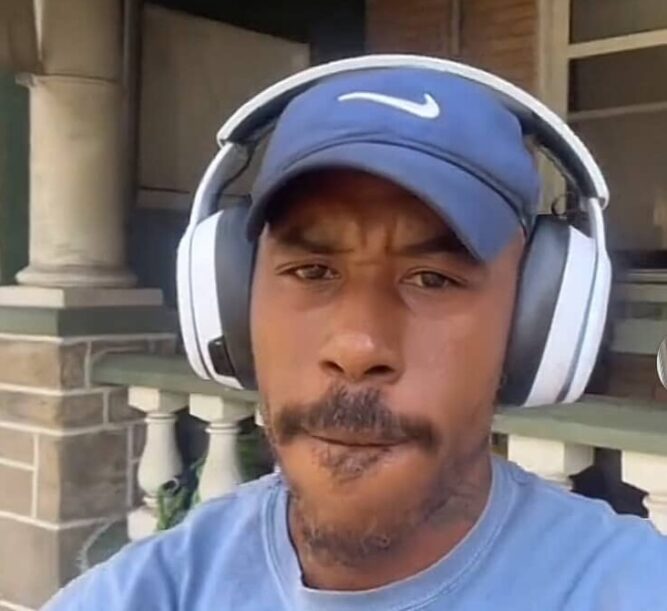
When Lakisha King first moved into her North Philadelphia neighborhood, Khalil Ford noticed her struggling with the bags, so he stepped in without hesitation.
“Hey, you need help with that?” he asked, carrying her things from the car and up to her door. At first, it seemed like a simple act of kindness. But over the next several months, she realized it showed something deeper about this character.
“He would sweep in front of people’s doors, help elders carry their bags,” Lakisha said. “He just lived for his community.”
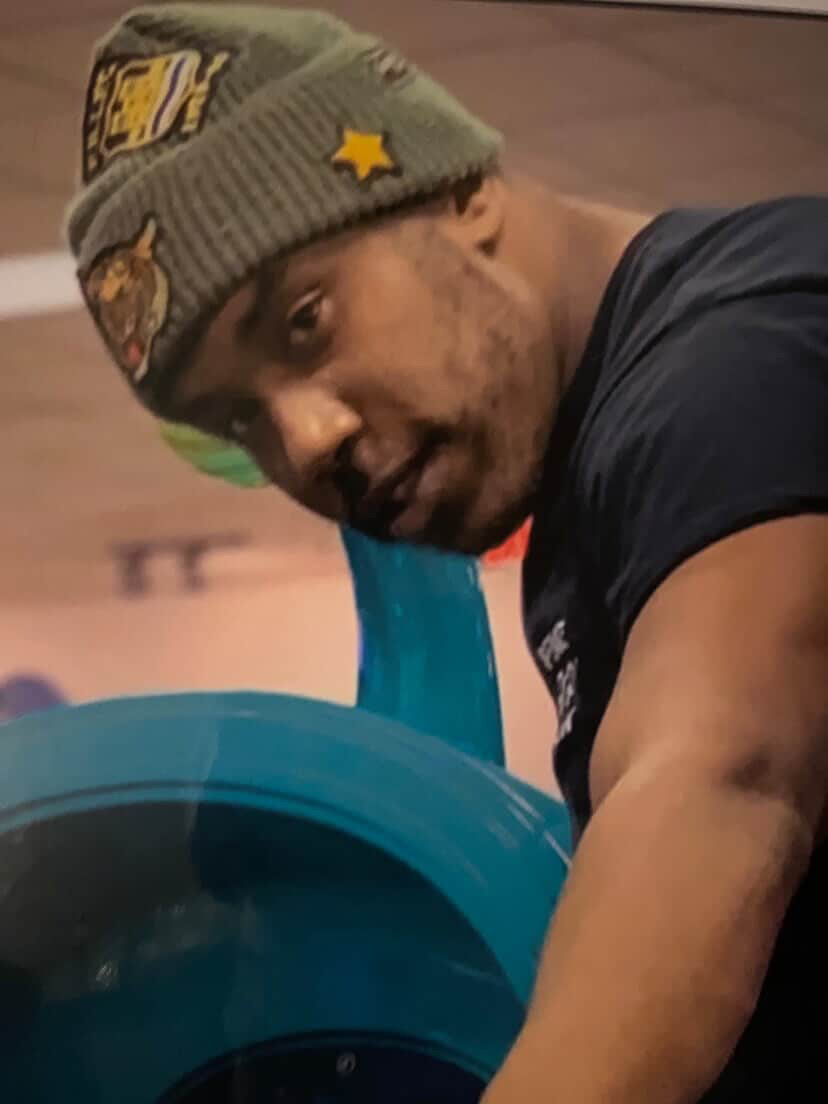
That attentiveness eventually got Lakisha to start looking at him differently, and it turned into a six-year relationship built on faith, humor and mutual support. But Khalil was killed by gun violence on the 2800 block of North Van Pelt Street on Sept. 23, 2025. He was 40.
Born and raised in North Philadelphia, Khalil attended Gratz High School and spent much of his adult life trying to build opportunities not just for himself, but for the people around him. He worked odd jobs, operated a car wash business, and dreamed constantly about bigger projects. Lakisha said he was in the process of trying to get an LLC to open a community flea market designed specifically for low-income families and elders who had difficulty traveling outside the neighborhood.
The vision kept expanding. He talked about creating a community garden where older residents could teach younger generations how to grow food. He wanted after-school programs for neighborhood kids. He even imagined teens earning money by helping elderly neighbors carry groceries or clean outside their homes. “He had so many ideas,” Lakisha said. “He was just so talented and creative.”
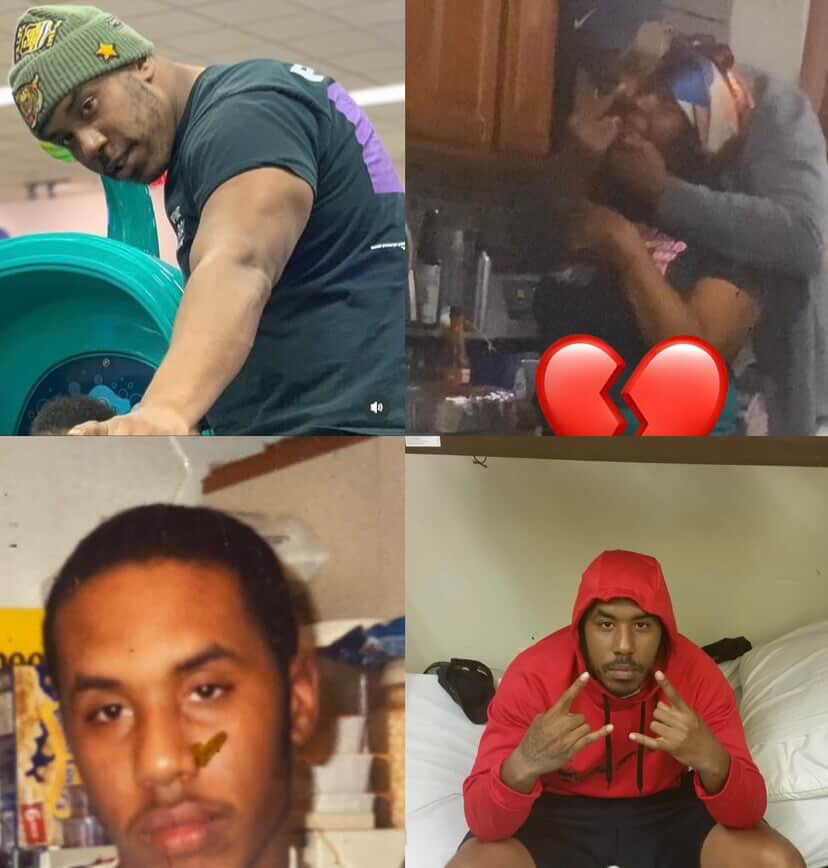
He was also attentive to others in need, checking in on people when they were sick. “He told everyone he loved them,” Lakisha said. “Love was a big thing for him.”
That spirit of care shaped the way he lived his daily life. Lakisha said he didn’t carry a gun, avoided violence, and mostly kept to himself aside from his son and close family. Despite his imposing frame — tall, muscular, and physically strong — the people closest to him knew him as gentle, thoughtful and deeply spiritual. “He wasn’t a violent guy,” she said. “He was just always about his people, his community, his family.”
The qualities that first drew Lakisha to him were his patience and the way he spoke about God. After months of seeing him around the neighborhood, she finally gave him a chance. “Once I got to talk to him, I realized that he was a highly spiritual person,” she said. “He believed in God… he was everything I was looking for in a man.”
Khalil was also a devoted father to his two children, Brooklyn, 17, and Ayaan, 6, as well as a proud grandfather to an 8-month-old grandson. Raising Ayaan largely on his own meant work could be inconsistent, but Khalil embraced fatherhood fully.
“He was teaching him how to read, teaching him how to tie his shoes,” she said. “That’s all he knew was his son, teaching him all the good things.”
The lessons extended far beyond schoolwork. Khalil taught Ayan how to greet people respectfully, check on others, say “I love you,” and care for women and elders in the neighborhood. Lakisha said the resemblance between father and son is unmistakable. “You can just see that his dad did a good job with him,” she said.
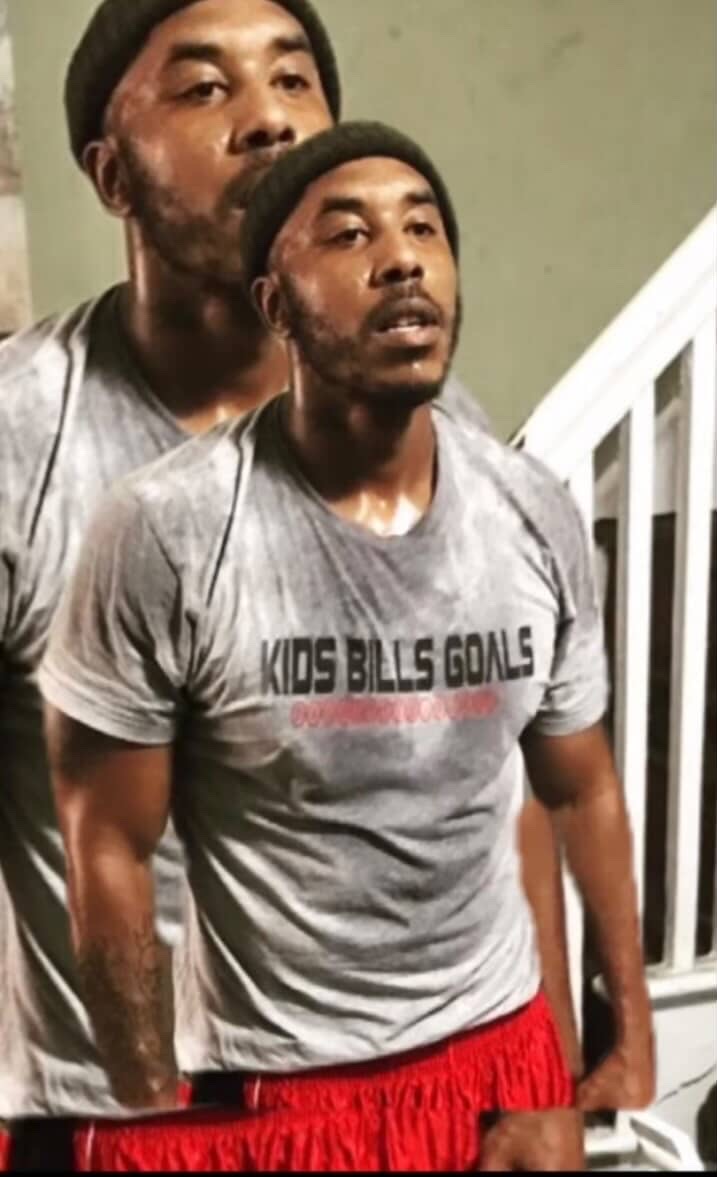
Outside of fatherhood and community projects, Khalil was endlessly creative. He loved music and could freestyle rap off the top of his head. He exercised constantly, challenging neighborhood kids and friends to burpee competitions on the front steps. “For him to be a tall guy with muscles, for him to just bust out and dance was so funny,” Lakisha said with a laugh.
He was also known for his homemade “Gucci Fruit,” elaborate fruit salads layered with candied fruit and sweet toppings that everyone in the neighborhood loved. “It sold like hotcakes,” Lakisha said.
Friends and family often turned to Khalil for advice because he carried himself with a maturity beyond his years. Lakisha said he challenged her to be less judgmental and more compassionate toward people. “He would tell me, ‘Look at people the way you want people to look at you,’” she recalled.
But even with his optimism, Khalil carried grief. In 2019, his brother, Brahim Ford, was also killed by gun violence. The loss devastated their family. “Now his mother doesn’t have any sons left,” Lakisha said.
Despite everything, Khalil continued trying to create something positive around him. Lakisha said he seemed to sense danger in the months before his death, speaking differently and posting videos online that now feel haunting in retrospect.
What continues to haunt the people who loved him most is how quickly it all ended.
According to what detectives told Lakisha, Khalil had only been talking with someone for a matter of minutes before a gun appeared. “I don’t even understand what could have been said that quick,” she said. “How could somebody pull a gun after just a few minutes?”







Leave a Reply